Why Expensive Feels Safer Even When It Isn't
We don't pay more because we're irrational. We pay more because fear is a perfectly rational reason to spend and premium brands know exactly which fear to find.
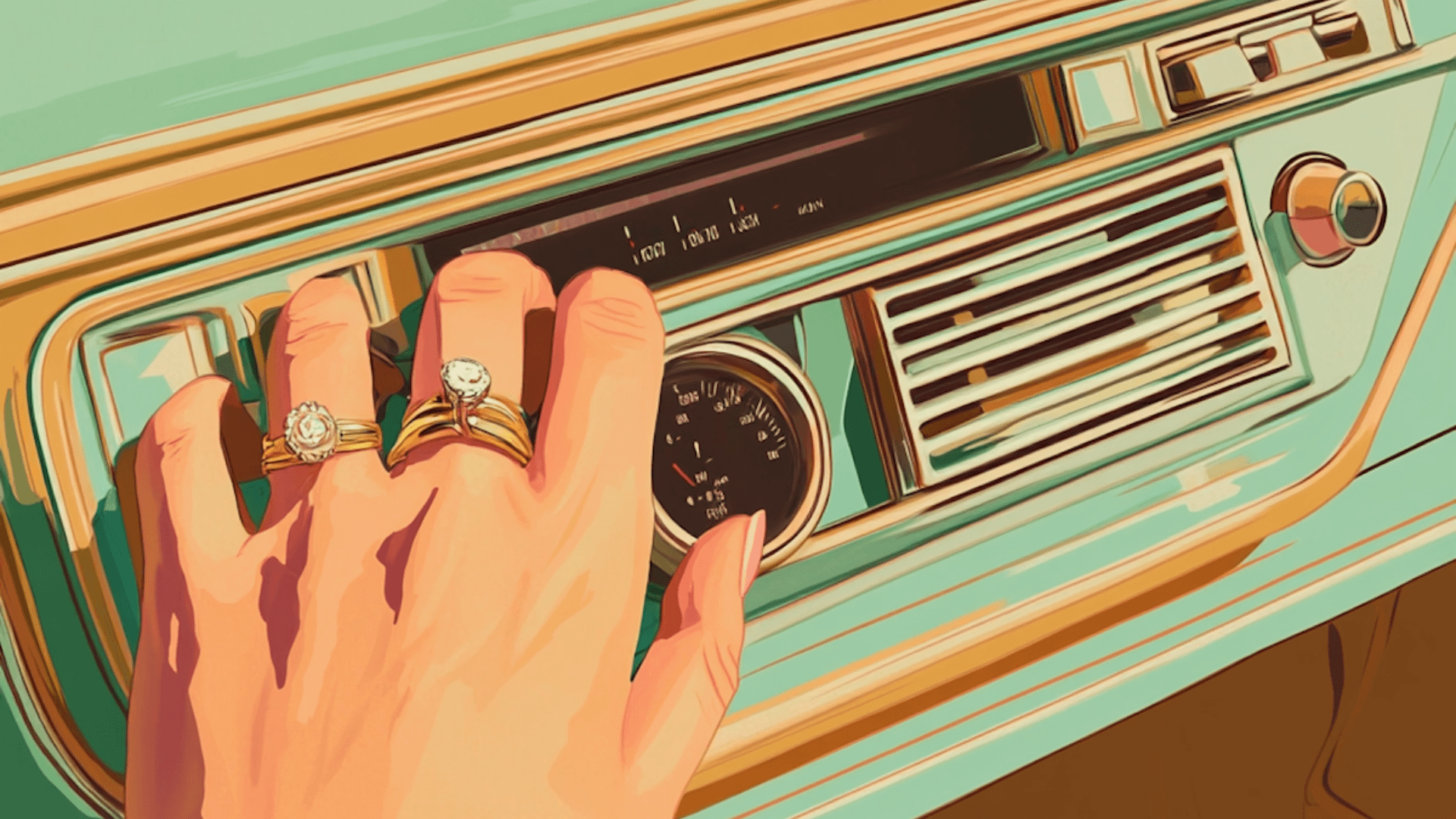
My mother has never bought the cheapest version of anything medical. Not vitamins, not bandages, not thermometers. When I was a child, I once pointed out that the store-brand paracetamol was chemically identical to the branded one same molecule, same dose, same effect. She looked at me the way she looked at things she pitied.
"If something happens," she said, "I want to know I didn't cut corners."
I thought about that sentence for years. Because it isn't about the paracetamol at all. It's about who she wants to be if something goes wrong. It's about the story she tells herself in the worst-case moment. The expensive version isn't safer. It's just a better alibi.
That instinct paying a premium for psychological protection rather than actual protection is one of the most powerful and least discussed forces in consumer behavior. And every premium brand, consciously or not, is built on top of it.
· · ·
Behavioral economists have a concept called loss aversion the finding that losses hurt roughly twice as much as equivalent gains feel good. Losing ₹500 stings more than winning ₹500 pleases. This is well documented. What gets discussed less is what loss aversion does to purchase decisions when the stakes feel personal.
When we buy something that matters medicine for a child, a car for a family, a surgeon for a parent the calculus changes completely. The question stops being what's the best value? and starts being what can I live with if this goes wrong?
That second question has a completely different answer. And it almost always points toward the more expensive option.
The mental math's we actually do
You're choosing between two car seat brands.
One is ₹4,500 with 4.1 stars.
One is ₹12,000 with 4.4 stars.
The safety ratings are nearly identical. But something happens when you imagine explaining your choice to someone to yourself if anything ever went wrong. The ₹12,000 seat doesn't just feel safer. It feels like a defensible decision. And defensibility, in high-stakes moments, is worth a premium all by itself.
This is what psychologists call anticipated regret. We don't just weigh current outcomes we run mental simulations of future regret and adjust our behavior to minimize it. Premium brands are extraordinarily good at making cheap feel like a risk you'll regret.
"The premium isn't just for the product. It's for the right to say to yourself, to others that you made the responsible choice."
Not all premium purchases are driven by the same anxiety. The more I've watched people justify expensive things, the more I notice it collapses into three distinct fears each targeting a different part of the self.
01
Fear of physical harm
The medical, nutritional, structural. When the body is at stake, price becomes a proxy for safety. Nobody wants the cheap helmet.
02
Fear of social judgment
What will people think if this fails? If the venue is bad, the gift is cheap, the hotel is embarrassing. Premium absorbs the social risk.
03
Fear of self-image damage
The quietest one. The fear of proving to yourself that you're the kind of person who cuts corners on things that matter.
The third fear is the most interesting and the most lucrative for brands. Because it doesn't require any external audience at all. The premium purchase becomes a private act of self-respect. I am someone who doesn't compromise on this. Brands that tap into identity rather than function have found the most durable premium in the market.
· · ·
There's another mechanism at work that's less emotional, more cognitive and equally powerful.
In most categories, we don't have enough information to evaluate quality directly. We can't assess whether one multivitamin is better than another by looking at the capsule. We can't tell whether the ₹3,000 face cream outperforms the ₹300 one by reading the ingredients list. The information asymmetry is real and significant.
So the brain reaches for a heuristic. And price is the most available, most legible signal of quality available at the point of purchase. Not the most accurate just the most available.
This is why, in a study by Plassman and colleagues at Caltech, participants' brains showed measurably higher pleasure responses to wine they were told was expensive even when the wine was identical to the cheap version. The price didn't just change what they thought. It changed what they experienced. The prefrontal cortex rewired the sensory input in real time, based on a number on a label.
Premium doesn't always taste better. But it almost always feels better. And in an experience economy, that distinction matters less and less.
Different price points trigger different psychological states. Here's the honest version of what's happening in our heads as the number goes up:
Very cheap
Active suspicion. "What's wrong with it? Why is it this cheap?"
Budget
Pragmatic acceptance. "Good enough. I hope I don't regret this."
Mid-range
Comfort zone. "Reasonable. I made a sensible decision."
Premium
Reassurance. "This is probably the right choice. I'm covered."
Luxury
Identity signal. "This says something about who I am. That's worth it."
Notice something: the anxiety peaks at the bottom, not at the top. The cheapest option creates the most psychological discomfort. We feel unsafe paying too little for things that matter to us. Premium doesn't just feel better — it feels like relief.
· · ·
I want to be honest about the shadow side of this, because it matters.
The same psychology that makes people feel safer paying more for a car seat makes people pay obscene premiums for supplements that don't work, practitioners who aren't qualified, and financial products that serve the seller more than the buyer. Fear, once activated, is not discerning. It reaches for anything that feels like safety.
Premium brands know this. The best ones use it honestly they genuinely invest in quality, safety, and experience, and they charge for it transparently. The worst ones manufacture the feeling of safety without the substance. They design the packaging, the language, the price point and leave the product as an afterthought.
The question worth asking
Next time you reach for the expensive option because it "feels safer," pause for one second and ask: safer how, exactly? If you can answer specifically better materials, verified safety ratings, proven track record the premium is probably real. If the answer is just "it feels more trustworthy," you're buying someone's design budget, not their quality. Both are fine. But knowing which one you're doing is worth something.
She's not wrong, my mother. Not entirely.
The branded paracetamol is chemically identical. But the experience of taking it the confidence, the absence of doubt, the peace of mind that she did the right thing is not identical. And when you're sick and worried, the absence of doubt has genuine therapeutic value. Placebo is a real effect. Trust is a real effect. Feeling cared for is a real effect.
So is she paying for nothing? Or is she paying for something medicine doesn't put on the label?
Premium brands, at their most honest, are selling exactly that the thing medicine doesn't put on the label. The feeling of safety. The alibi of responsibility. The private conviction that you chose well.
Whether that's worth the markup is a question only you can answer. But it's worth knowing that you're the one being sold to and that the product isn't the pill.
Let's Connect